
 by
by The 1996 Mets weren’t expected to win the NL East, or even be a playoff team, but after finishing the 1995 season with a 44-31 record, there was confidence that GM Joe McIlvaine had figured out the right mix for future success.
Mets Manager Dallas Green, who took over from Jeff Torborg midway through the 1992 “Worst Team Money Could Buy” season, was consistently popular with the Mets beat reporters, who liked his old-school commentary.
“We want to put a product on the field that we can be proud of, that our fans can be proud of,” Green told reporters at the Mets’ annual Christmas party at Shea Stadium.
At that same Christmas party, Mets closer John Franco said the 1995 Yankees might have gotten to the postseason for the first time since 1981, but firing Gene Michael and Buck Showalter after the AL Wild Card made for a lot of bad headlines for the crosstown rivals. He says the good vibes for the upcoming season should favor the Mets.
“People in general are pretty excited about the Mets,” the pitcher told the New York Times’ Claire Smith. “A lot of people I’ve talked to were Yankees fans turned off by what the Yankees are doing, saying, ‘We’re with you guys now.’ “
What transpired was one of the weirdest seasons in Mets history. Todd Hundley hit 41 home runs; Bernard Gilkey hit 30 home runs, hit .317, and had 117 RBI; and Lance Johnson hit a career high .333, led the NL in hits with 227, stole 50 bases, and had a league-leading 21 triples.
Despite these offensive fireworks, the Mets struggled a bit out of the gate and were 22-30 at the end of May. But after posting an identical 15-13 record in June and July, which included a five-game winning streak to close out July, it looked like the Mets were ready for another second-half surge.
But it wasn’t to be. The Mets went 8-20 in August, and Green lost his patience with his younger players, telling the press, “These guys don’t belong in the big leagues. That might sound harsh and negative, but what have they done to get here?”
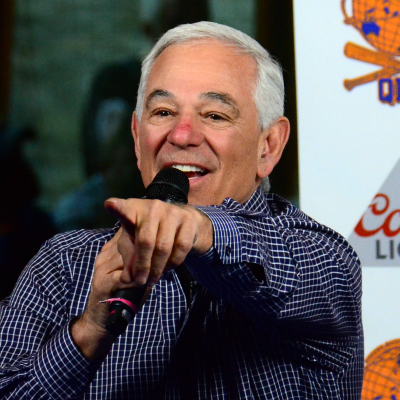
That was the last straw for McIlvaine, who fired Green on Aug. 26. He replaced Green with Triple-A manager Bobby Valentine, who was expected to have a softer touch with the younger players.
”We haven’t done as well as we anticipated,” McIlvaine told reporters. “’Progress has been slower than expected. Our hope with this change is the younger players will begin to blossom some more, to come up to that major league level, to begin to make more significant contributions.”
The next day, McIlvaine traded future Hall of Famer Jeff Kent and José Vizcaíno to the Cleveland Indians for Carlos Baerga and Alvaro Espinoza. It didn’t help.
I was working at a radio station at the time, WSTC in Stamford, CT, Valentine’s hometown, and being the resident Mets “expert,” I was given my first on-air opportunity to report on the managerial change. As a fan, I was delighted. I had met Valentine in 1978 at a Xaverian Sports Night event as a kid, and enjoyed him when he was on Davey Johnson’s coaching staff in 1984.
The Mets would finish the season 71-91, in fourth place.
The Yankees, led by Joe Torre, who had been fired by the Mets after the 1981 season, and who had cut Valentine from the Mets in the spring of 1979, led the Yankees to the 1996 World Series. Making it worse were the cameos by Darryl Strawberry (three HRs in the ALCS against the Orioles) and Dwight Gooden (a no-hitter against the Tigers in May).
As I said, it was a weird season.

